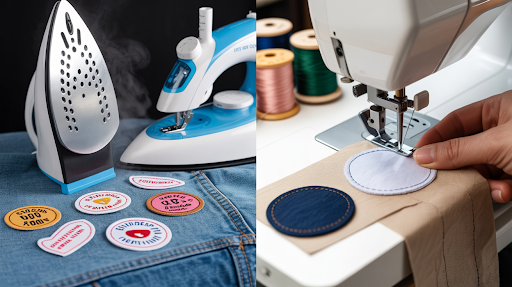
In New Zealand, we don’t overcomplicate things. Whether we’re picking a pie flavour, a footy team, or a good spot to fish, the rule is simple: choose what works, not what looks fancy. But when it comes to iron-on vs sew-on patches, suddenly everyone has an opinion.
The fashion kids swear by iron-on patches because they’re quick as, the DIY warriors say sew-on patches will outlive your washing machine, and the businesses? Well, they just want branding that doesn’t fall off during staff training or a muddy festival.
So which one actually wins? Which patch type is the real MVP for custom patches NZ, branding, jackets, denim, uniforms, hats, even leather vests? By the end of this guide, you’ll know exactly which patch type suits you, your brand, your clothes, your event, and your stress levels. And trust me, the answer is not the same for everyone.
Before we dive in, if you’re new to the world of patches, a quick scroll through All You Need to Know About Iron-On Custom Patches in NZ will give you a solid foundation. It’s a handy primer, and it’ll help you appreciate the differences even more.
Iron-On Patches: Fast, Flashy & Fantastic (When Used Right)
Iron-on patches are like the mate who shows up with a BBQ set, cooks everything in 20 minutes, and everyone thinks they’re a legend. Quick. Efficient. No fuss.
What Makes Iron-On Patches Great
- Speed: You can heat-press or iron them on in under a minute.
- Clean Application: The adhesive melts, sticks, and looks super tidy.
- Great for cotton, denim, canvas: These fabrics bond beautifully with iron-on adhesive.
- Perfect for branding: Think uniforms, merch, corporate clothing, staff gear, event items.
- Cheap custom patches no minimum: Perfect for individuals, small clubs, hobbyists.
Iron-on custom patches are a crowd favourite because everything about them feels fast and easy, perfect for:
- branded work shirts
- custom patches for denim jackets
- custom patches for hats
- hoodie patches
- small custom patches
- PVC patches with iron-on backing
- embroidered iron-on patches
- large custom patches for jackets (as long as the fabric allows)
And because Patch Makers NZ offers custom patches no minimum, even one-off iron-on pieces are a breeze.
But Iron-On Patches Do Have Catch-22 Moments
Iron-on patches, like many Kiwi quick-fixes, have their limits.
They don’t stick well on these fabrics:
- leather
- nylon
- polyester blends
- waterproof jackets
- heavily textured fabrics
- knitted items
If you iron on a patch onto your favourite leather jacket or motorcycle vest… Congrats, you just heated expensive material for no reason, it’s not bonding. This is where the frustration begins.
Heat sensitivity matters
Some clothes shrink, burn, discolour, or warp under heat. Basically, iron-on patches are a dream only if the fabric plays nice.
Sew-On Patches: Built Like a Tank & Loved by the Purists
Now let’s talk about the OG champ, sew-on patches. These beauties are the equivalent of Kiwi craftsmanship: built tough, hold their ground, and designed to survive anything from rugby tackles to 40°C wash cycles.
Why Sew-On Patches Are the Workhorse
- Maximum durability: They stay put for years, decades even.
- Perfect for all fabrics: Yes, including leather, nylon, wool, canvas, and knitwear.
- Widely used for uniforms: Military custom patches, workwear patches, scout patches, school patches.
- Compatible with ANY patch type:
- embroidered
- woven
- rubber
- PVC custom patches
- leather patches
- chenille patches
- sequin patches
If you want patches for:
- varsity jackets
- backpacks
- motorcycle vests
- leather jackets
- dog harnesses (yes, Julius K9 fans)
- thick denim
Then sew-on patches are your best mate, no question.
Iron-On Vs Sew-On: Speed Vs Strength
Let’s get into the real comparison.
If You Want Speed – Iron-On Wins.
If You Want Durability – Sew-On Takes the Trophy.
But let’s break it down properly.
Application Time
Iron-On: 30–60 seconds
Sew-On: 5–15 minutes depending on your skill and the fabric
Winner: Iron-On
Washing Durability
Iron-On: Moderate, may peel with time
Sew-On: Almost indestructible
Winner: Sew-On
Best for Hats & Caps
Sew-on patches for hats are more reliable because heat on curved surfaces? Yeah nah, it’s messy.
Winner: Sew-On
Best for Jackets & Heavy Fabrics
Iron-on works great on denim. But for thick jackets, bombers, varsity wear, motorcycle vests?
Winner: Sew-On
Best for Branding
Iron-on patches are excellent for quick mass-production branding. Heat press, and you’re done.
Winner: Iron-On (for speed)
Winner: Sew-On (for longevity)
Budget & Cost
Both options cost similar depending on patch type, but iron-on saves labour time.
Winner: Iron-On
When NOT to Use Iron-On
- leather jacket custom patches
- custom patches for leather vests
- nylon windbreakers
- thick knitted fabric
- tactical uniforms
- fire-retardant clothing
Sew-on only.
How Kiwi Brands Choose Between Iron-On & Sew-On
1. Businesses That Need Speed – Iron-On All Day
If you’re running a clothing brand, outfitting staff before a big promo, or mass-producing items for an event, iron-on patches save you HOURS.
Think:
- giveaway merch
- branded hoodies for your team
- uniforms for retail staff
- custom patches for bags
- small event merchandise drops
- fundraising tees
- school events
- sports team gear
Heat press – done. No faffing around with needles or waiting for a seamstress who’s already booked three weeks out. Plus, iron-on works beautifully for embroidered patches, woven patches, and even PVC patches with adhesive backing that need clean placement.
2. Businesses That Need Durability – Sew-On Is King
Now, if we’re talking about industries where clothes take a beating, tradies, hospitality, scouts, sports clubs, security teams, firefighters, outdoor adventure groups, sew-on patches are the gold standard.
Why? Because these uniforms get washed, scrubbed, stretched, rained on, sun-faded, drenched in sweat, and sometimes… accidentally tossed in the dryer at full blast. Iron-on will hold up for a while, but sew-on patches? They survive everything short of a volcanic eruption.
Sew-on patches rule for:
- tactical uniforms
- hospitality aprons
- martial arts gis
- military-inspired gear
- heavy denim jackets
- leather vests and jackets
- backpacks & outdoor packs
- school blazers
- motorcycle clubs
Honestly, anywhere durability matters, so do stitches.
Patch Types That Perform Better As Sew-On
Some materials behave better with thread than heat, especially:
- Chenille patches (the fluff doesn’t like heat)
- Custom leather patches
- Thick PVC patches
- 3D puff embroidered patches
- High-pile fabric patches
- Large jacket patches (25–30 cm)
Trying to iron any of these on? Yeah nah, that’s a recipe for disappointment.
Patch Types That Work Brilliantly With Iron-On
Iron-on shines brightest with:
- classic embroidered patches
- woven patches
- printed patches
- small custom patches
- uniform name badges
- decorative fashion patches
- branding patches for tees or shirts
They look clean, sit flush, and save heaps of time.
How NZ Customers Use Each Type (Real Examples)
Fashion Brands
Most NZ streetwear brands start with iron-on patches for sweatshirts, tees, caps, and denim, then upgrade to sew-on for their premium jackets or limited-edition pieces.
Sports Teams
Rugby, netball, and football teams prefer sew-on patches because… well, you’ve seen a rugby match. Those jerseys survive everything.
Hospitality
Iron-on for quick uniform rollouts. Sew-on for long-term replacements.
Outdoor Clubs
Almost always sew-on. Rain, mud, sand, backpack straps, iron-on doesn’t stand a chance.
Schools
Iron-on for one-off events. Sew-on for blazers and long-term uniforms.
Creative DIYers
Iron-on for fun projects. Sew-on for jackets they’ve been customising since the 2010s.
The Hybrid Method
Here’s where things get fun. A lot of NZ brands are now choosing iron-on + sew-on combined. Why? Iron-on keeps the patch flat and steady. Stitching locks it in permanently. It’s tidy, strong, and looks polished, especially for:
- varsity jackets
- bomber jackets
- motorcycle vests
- high-movement uniforms
- thick denim
It’s easily the most reliable method in the entire iron-on vs sew-on debate.
When Sew-On Patches Are 100% Non-Negotiable
There are some things you cannot iron. Not now, not ever. If you’re working with:
- leather jackets
- motorcycle vests
- nylon windbreakers
- rainwear
- knitwear
- wool
- fire-retardant gear
- tactical clothing
Sew. Every. Time. Trying to iron a patch onto leather? That’s basically slow-cooking your jacket. If you want a deep dive into sew-on patch techniques, materials, and NZ-specific tips, check out: Ultimate NZ Guide to Sew-On Patches for Jackets, Hats & More. It’s packed with real examples and will help you master the stitching game.
Choosing the Best Option Based on Your Fabric
Here’s a quick rundown to make life easier:
| Fabric Type | Best Method |
| Cotton | Iron-on or Sew-on |
| Denim | Iron-on or Sew-on |
| Nylon | Sew-on only |
| Leather | Sew-on only |
| Wool | Sew-on only |
| Polyester | Iron-on (sometimes) |
| Canvas | Both |
| Tactical Gear | Sew-on |
| Stretch fabrics | Sew-on |
FAQs
What’s the main difference between iron-on and sew-on patches?
Iron-on patches use a heat-activated adhesive to bond to fabric, while sew-on patches rely on stitching for durability. Iron-on is quicker; sew-on is stronger long-term.
Which patch type lasts longer: iron-on or sew-on?
Sew-on patches usually last longer because stitching can handle heavy washing, rough use and outdoor conditions better than adhesive.
Are iron-on patches good for jackets?
Yes, especially for denim jackets, cotton jackets and casual wear. But for leather jackets, motorcycle vests or heavy-duty outerwear, sew-on patches are more reliable.
Can I sew on an iron-on patch?
Absolutely. Many Kiwis use the hybrid method: iron it on for placement, then sew around the edges for maximum strength.
Which patch type is best for uniforms?
Sew-on patches are recommended for work uniforms, tactical gear, hospitality wear and school blazers due to their durability.
Are iron-on patches strong enough for kids’ clothing?
Yes, as long as the fabric can handle heat and the patch is applied properly. For clothes that go through heavy washing, sewing is ideal.
What fabrics can’t be ironed?
Leather, nylon, wool and many synthetic blends don’t respond well to heat. For these fabrics, sew-on patches are the safest choice.
What’s cheaper: iron-on or sew-on patches?
The cost difference is usually small. However, iron-on patches can reduce labour costs since they don’t require professional sewing.
Which patch type is better for large back patches?
Large patches for jackets, vests, sports gear or motorcycle wear should always be sew-on for long-term stability.
How do I know which patch backing to choose?
It depends on your fabric, use case and durability needs. For quick branding or merch drops, go iron-on. For uniforms or long-term clothing, choose sew-on.
Up To You!
Both patch styles serve a different purpose. The real question isn’t “Which one is better?” but “Which one is better for YOU?” And if you still can’t decide, no stress. Patch Makers NZ handles both like absolute pros. Whether you’re ordering custom patches for jackets, hats, denim, branding, events, uniforms, or full collections… we’ve got you covered.
From one-off pieces to bulk custom patch orders, we’ll help you pick the backing that fits your fabric, your purpose, and your budget, without the drama. Ready to create your custom patches? Let’s get them designed, produced, and delivered anywhere in NZ, dead easy from Patch Makers NZ.